
Supporting a PDA Child
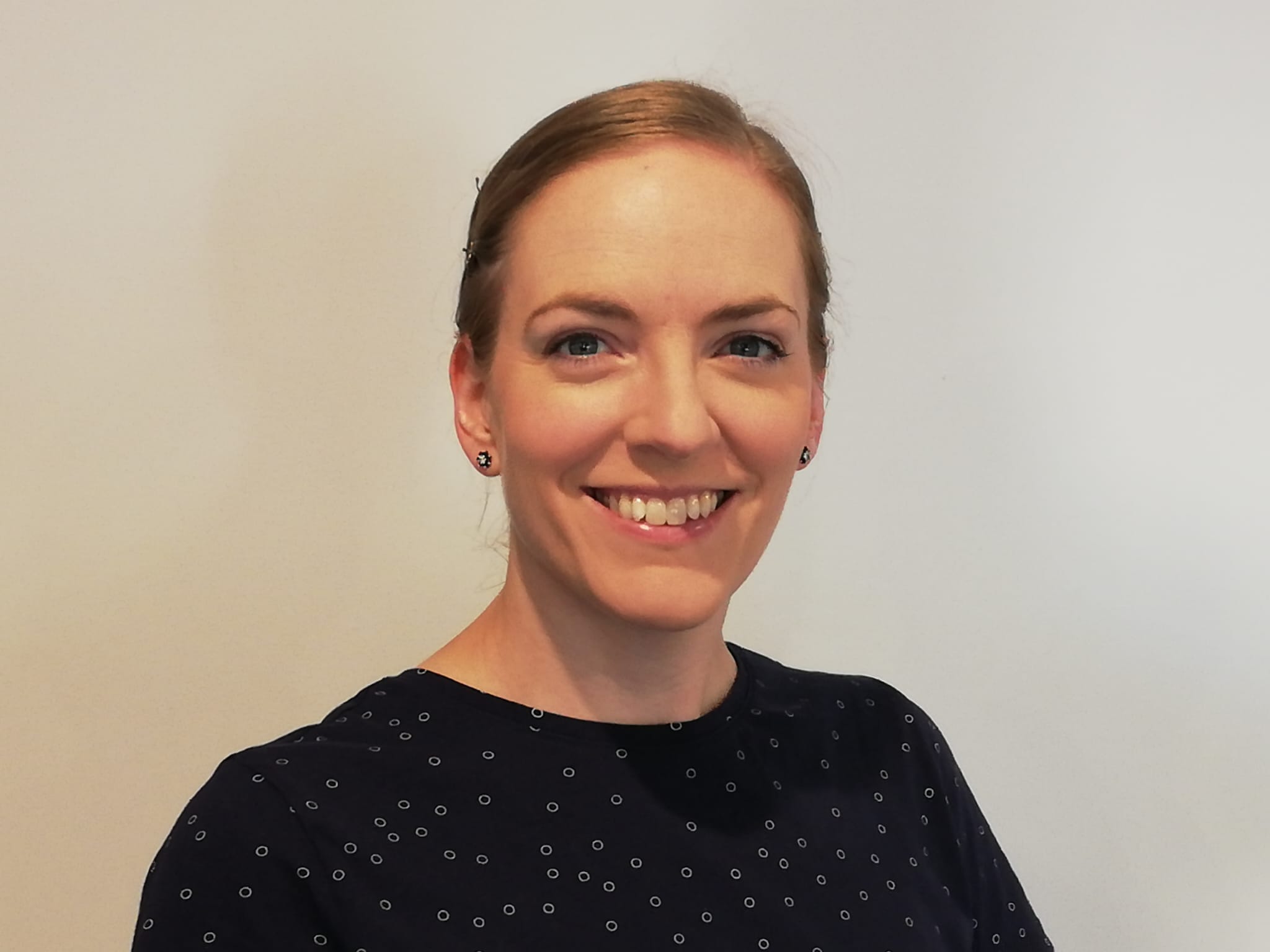

I am the mother of an incredible, creative, and energetic autistic daughter who also lives with ADHD, anxiety, and a PDA profile. Alongside this, I have spent years supporting autistic children in school settings, including many who present with strong autonomy-seeking and demand-avoidant behaviours.
What I have learned, both personally and professionally, is that supporting a PDA child can be deeply rewarding when they are given space to be themselves. When there is room for autonomy, for creativity, and for connection on their terms, these children can truly thrive.
At the same time, the reality of daily life is not always set up for this. Busy routines, expectations, and the structure of education systems can make it difficult to honour this need for autonomy. Many of the traditional approaches to parenting, teaching, and even autism support simply do not fit.
When we try to enforce compliance using reward and consequence systems, it can quickly backfire. A child who is already overwhelmed may escalate into distress, shutdown, or even aggression toward themselves or others. Sometimes this distress is not visible straight away. Many children hold it together throughout the school day, only to release that emotional build-up at home. This can be incredibly hard for both the child and their family, often impacting relationships and leaving everyone feeling exhausted.
There is a lot of advice online about “low-demand parenting,” which can involve stepping back from expectations around things like bedtime, food, screen use, or daily routines. For some families, this creates a sense of calm and works well. For others, it can lead to challenges around health, wellbeing, and family functioning.
In our experience, the most sustainable approach has been finding a balance. We hold firm boundaries around health and safety, while offering as much choice, flexibility, and autonomy as possible within those limits. This is not a fixed formula. It shifts constantly and asks us to stay responsive, creative, and compassionate.
Supporting a PDA child is not about getting it “right.” It is about staying connected, adjusting when things are not working, and recognising that these children are not being difficult. They are navigating a world that often feels overwhelming, while trying to hold onto a sense of control and safety.
With the right understanding and support, families can move from a place of constant struggle to one of greater connection, trust, and possibility.
PDA Support Strategies
All demands can pose a threat to a PDA child’s nervous system. I provide as much autonomy as possible and maintain boundaries around only the most essential health and safety demands. I provide multiple accommodations to give the child autonomy, while still ensuring the task is completed and the relationship between caregiver and child is preserved.
Examples of accommodations that provide autonomy while completing essential tasks include:
Demand / task that must be completed for health or safety | Accommodations to provide opportunities for autonomy | Outcome |
|
|
|
|
|
|
|
|
|
|
|
|
|
|
|
If this resonates with your experience, Frances offers parent/caregiver support sessions to help you find what works for your child and your family. Read more about Frances Middleton, Family Support Officer. You can contact us online or via email to admin@amindofyourown.com.au.
Frances will also be running an (online) PDA seminar later this year. Follow us on Eventbrite to stay up to date with upcoming events and registrations.


