
Introduction to Pathological Demand Avoidance
Updated: Mar 11

Pathological Demand Avoidance (PDA) can be defined as an anxiety-driven need to ‘maintain personal autonomy’ by avoiding the everyday demands of life (PDA Society, 2026) and the demands and expectations of other people (Fidler, 2019, cited in DfE 2026).
PDA is currently considered to be a behavioural profile of autism, although it is not listed in the DSM-5TR or ICD-11 diagnostic criteria for Autism Spectrum Disorder.
‘Pathological Demand Avoidance’ is the current term used in academic research and clinical settings, however neuro-affirming alternatives include:
Pervasive Drive for Autonomy
Persistent Drive for Autonomy
PDA’er (identity first language)
PDA can be characterised by:
Avoidance of everyday demands, e.g. brushing teeth or putting on shoes
Avoidance of preferred activities, e.g. hobbies or events
Avoidance of non-preferred activities, e.g. schoolwork, homework, work tasks, or personal administration
Avoidance of internal demands, e.g. hunger, thirst, or needing the toilet (PDA Society, 2026)
The loss of autonomy created by a demand can cause immense anxiety and emotional distress and can trigger fight, flight, freeze or fawn threat responses (Reframing Autism, 2024). Efforts made to seek autonomy and avoid demands can be understood as safety-seeking behaviours, and can include:
Distracting the person making the demand
Negotiating an alternative, e.g. “I will have a shower tomorrow”
Giving excuses, e.g. “my legs don’t work”
Role play, e.g. pretending to be an animal
Saying “no” with spoken language or another communication system
Not answering or communicating a response
Not moving, e.g. lying down, making the body floppy or rigid
Running away (absconding)
Shouting, screaming, or crying
Aggression, e.g. pushing, hitting, kicking, or biting
Aggression can be a panic response when a PDA’er is overwhelmed by anxiety, or a last resort when all other efforts to maintain autonomy have been unsuccessful (Reframing Autism, 2024).
The demands a PDA’er can meet can change from day to day. It depends on their state of emotional regulation and how much they mask their anxiety, autistic traits, or PDA traits in a particular situation. PDA support strategies can be useful for anyone experiencing a drive for autonomy and demand avoidance, without them needing to be formally identified as having a PDA profile.

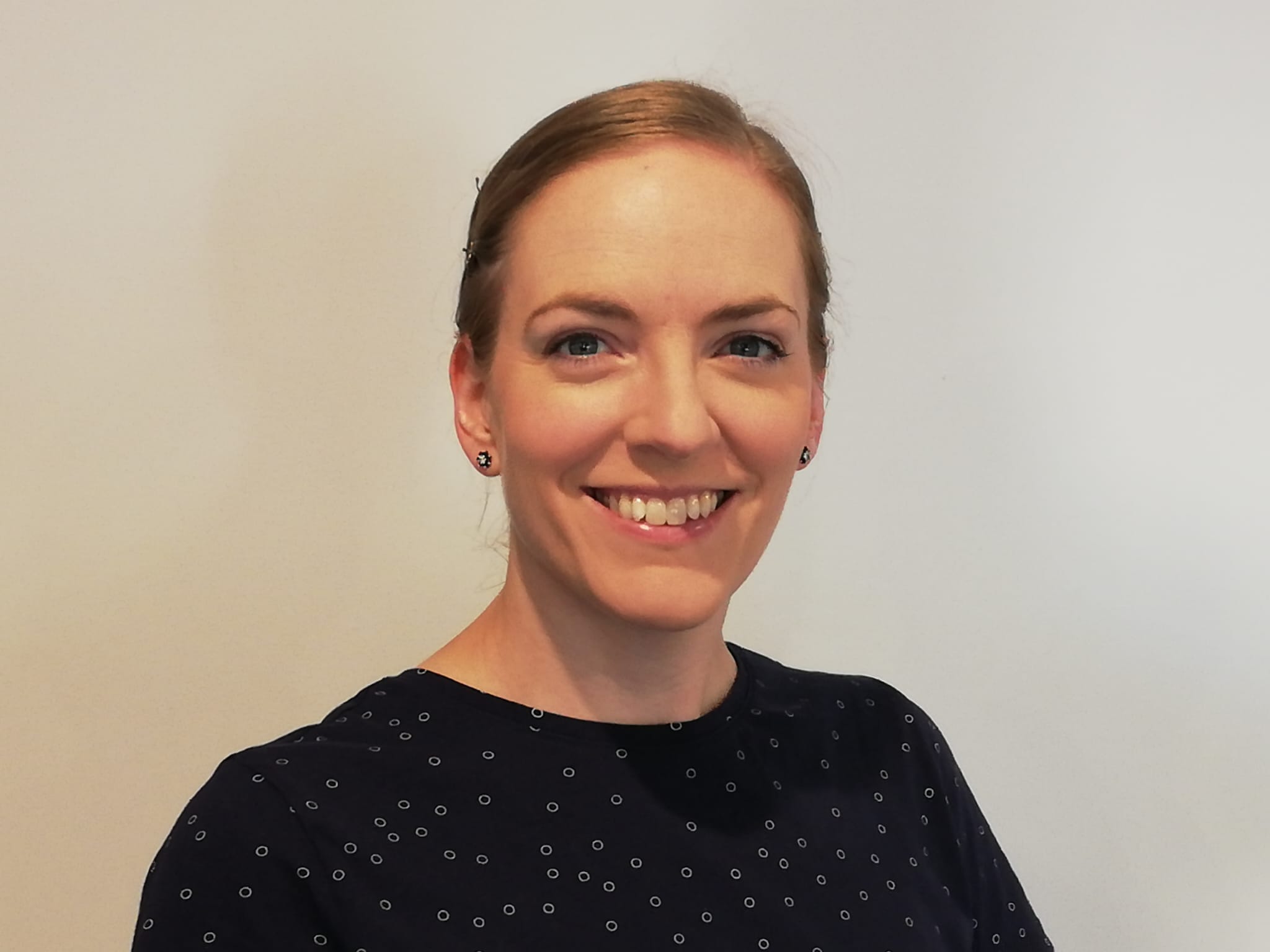
Frances is a Family Support Officer at A Mind of Your Own who works closely with families navigating the complexities of neurodevelopmental differences. Through both her professional role and her lived experience supporting a child with a Pathological Demand Avoidance (PDA) profile, Frances has developed a strong interest in understanding how anxiety, autonomy, and everyday demands interact in the lives of autistic individuals. Her work focuses on helping families better understand demand avoidance and develop compassionate, practical strategies that support emotional safety and autonomy.
Availability: Frances has capacity for parent/caregiver support sessions in 2026. Enquire now to book in with Frances.
References


