
Preparing Your Autistic Child for Starting School
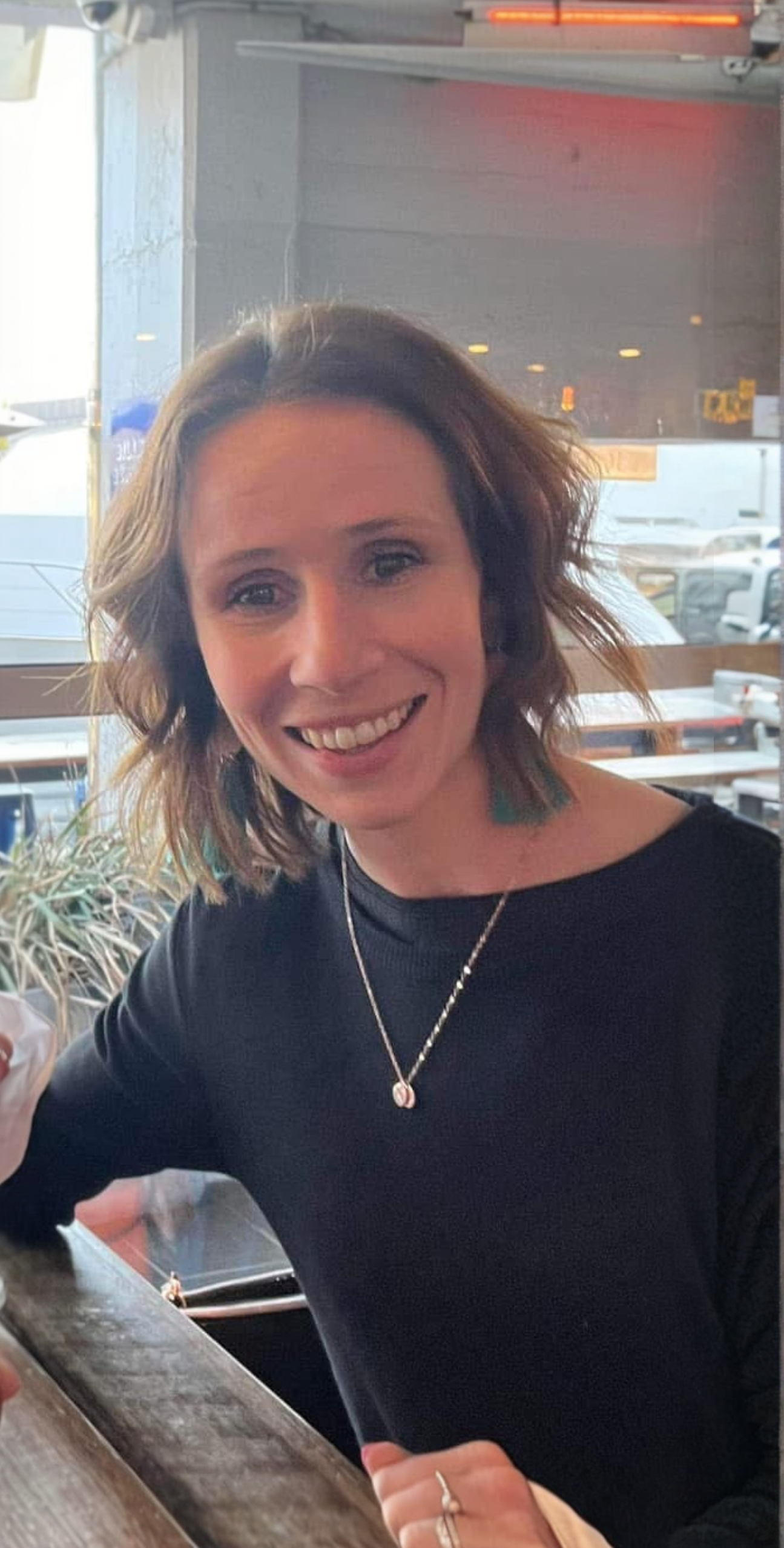

I am the mother of an energetic, kind, compassionate and creative daughter who, at the age of three, was diagnosed as Autistic (Level 3) with a PDA profile. Alongside her neurodivergence, she also lives with an autoimmune condition, adding another layer of appointments, advocacy and considerations to navigate.
I am also Mum to two beautiful girls and have a background in education, teaching across both mainstream and specialist settings. Most recently, I worked as an Inclusion Support Coordinator, where I spent years supporting children with a wide range of disabilities to access education in ways that worked for them.
This year, my daughter started school. This is a huge milestone for any five-year-old, but when you add neurodivergence, sensory differences, anxiety, communication needs and the uncertainty of a whole new environment, that mountain can feel much steeper.
There is no easy way to navigate this journey and there definitely isn’t a manual. Starting school is exciting, emotional and sometimes overwhelming. As both an educator and a parent, I have learned that supporting a neurodivergent child through this transition requires patience, preparation and flexibility.
For my daughter, the unknown can create significant anxiety and dysregulation. Helping her build familiarity before the first day was an important part of helping her feel safer.
Some things that can support this transition include:
Creating a personalised visual book with photos of the classroom, teacher, toilets, playground and important spaces around the school. This helps your child develop a picture in their mind of what their day might look like.
Building familiarity by walking or driving past the school, visiting the playground during holidays if possible, and creating positive experiences in the environment before school begins.
Practising routines gently in the weeks before school starts, such as adjusting sleep and wake times and using simple visual checklists so mornings feel more predictable.
One of the biggest lessons I have learned is the importance of protecting the after-school period. Many Autistic children work incredibly hard all day to meet expectations, cope with sensory input and navigate social situations. By the time they get home, they may need time to decompress.
For us, this means reducing demands, allowing space to regulate, and resisting the urge to immediately ask, “How was your day?” or “What did you do today?” While these questions come from a place of love, they can feel like another demand after an already exhausting day.
Communication with your child’s teacher and support team is also incredibly important. Rather than relying only on lengthy reports, which are often provided during enrolment, consider creating a simple one-page “All About Me” profile.
Include your child’s strengths, interests, things that help them feel safe, potential triggers, sensory needs and preferred ways of communicating. Where possible, involve your child in creating this. After all, this is their teacher, their classroom and their new environment.
Supporting your child through this transition is not about getting everything perfect. It is about staying connected, noticing what your child needs, adjusting when things aren’t working and advocating alongside them.
There may be really difficult days. There may be days where school feels too much and your child needs extra support. But there will also be moments of growth, connection, confidence and joy.
Every child’s journey into school looks different — and that’s okay.
If your family would like support preparing for the transition to school, understanding your child’s needs, creating practical strategies, or navigating communication with educators, Laura offers Family Support Sessions at A Mind of Your Own.
With her background in education, inclusion support, and lived experience parenting a neurodivergent child, Laura works alongside families to create realistic, compassionate strategies that support both children and caregivers.
About the author:
Laura Krauter is a Family Support Officer at A Mind of Your Own: Psychology Education and Support.
Laura has a background in education, having worked across primary, secondary and specialist settings, including as an Inclusive Support Coordinator. She combines her professional knowledge with her lived experience as a parent of a neurodivergent child, bringing warmth, understanding and practical insight to the families she supports.
Laura is passionate about helping families feel understood and supported while navigating school, advocacy, routines, big emotions and the everyday realities of raising neurodivergent children.
Get in touch to book a Family Support Session with Laura. (Private and NDIS funded sessions are available)


